
Nutrients and Food Groups Explained
Discover how each food group fuels your body and why balanced nutrition is the foundation of wellness
The information on this site is for educational purposes only and does not constitute medical advice. Always consult a qualified healthcare professional before making health decisions.
The Five Essential Food Groups
Understanding each food group helps you build meals that nourish every part of your body. From proteins to vitamins, each category plays a vital role in your health journey.
Vegetables
Packed with vitamins, minerals, and fiber. Vegetables support immune function, bone health, and digestive wellness. Aim for variety in colors—each hue offers unique nutritional benefits.
- Rich in antioxidants
- Low in calories
- High in fiber
Fruits
Natural sources of vitamins, potassium, and natural sugars. Fruits provide energy, support heart health, and offer protective compounds. Fresh, frozen, or dried—all varieties count toward balanced nutrition.
- Natural energy source
- Heart-healthy potassium
- Vitamin C powerhouse
Grains
Essential for sustained energy and brain function. Whole grains provide fiber, B vitamins, and minerals. Choose whole grains over refined options to maximize nutritional benefits and maintain steady energy levels.
- Sustained energy
- B vitamins included
- Brain fuel
Proteins
Building blocks for muscles, enzymes, and hormones. Proteins support growth, repair, and countless body functions. Include varied sources—meat, fish, legumes, nuts—for complete amino acid profiles.
- Muscle support
- Satiety and fullness
- Enzyme production
Visual Food Group Guide
See real examples of foods from each major group to help you plan balanced, nutritious meals.

Vegetables Collection
Broccoli, carrots, bell peppers, spinach, tomatoes, and more—each offering unique vitamins and minerals essential for daily health.
Read full guide →
Fruits Selection
Apples, oranges, berries, bananas, and tropical fruits—naturally sweet and loaded with vitamins, fiber, and protective compounds.
Learn more →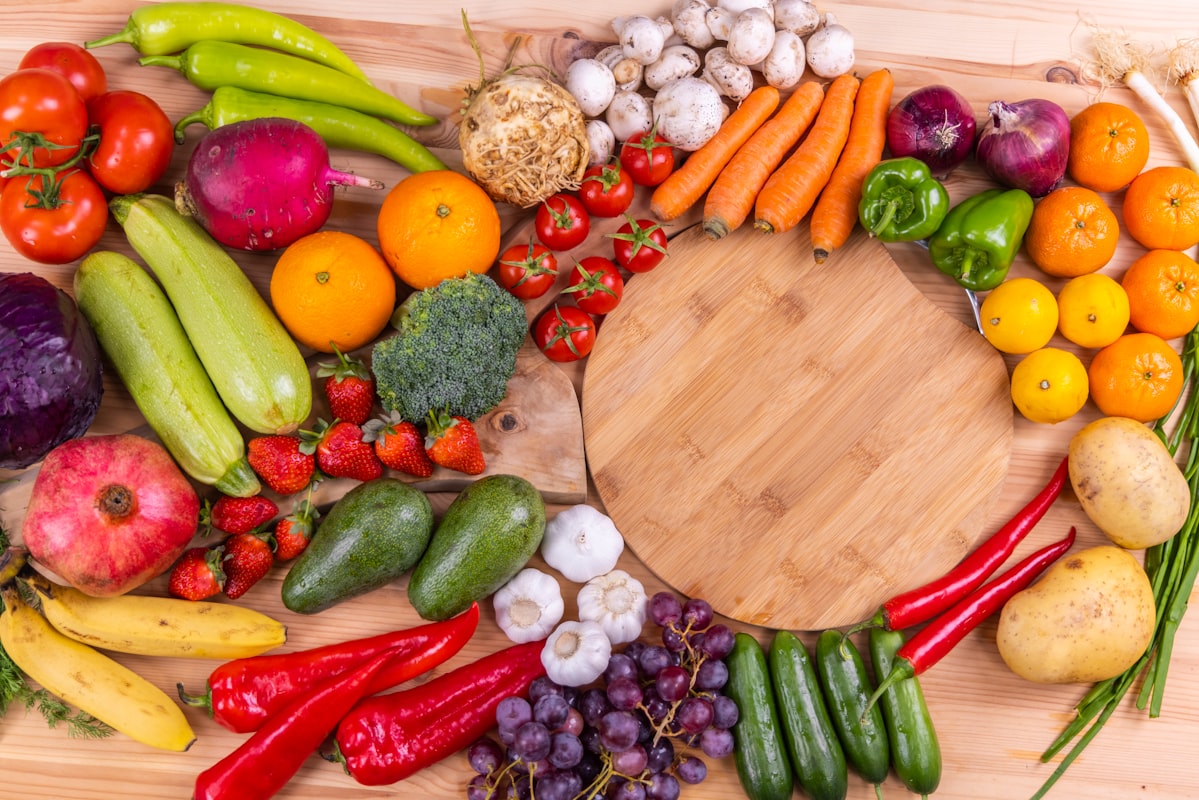
Grains & Whole Foods
Brown rice, oats, whole wheat bread, quinoa, and barley—all providing steady energy and essential B vitamins for wellness.
Discover more →
Proteins Variety
Chicken, fish, eggs, beans, and nuts—diverse protein sources that support muscle function and overall body maintenance.
Explore options →
Dairy & Alternatives
Milk, yogurt, cheese, and plant-based options—excellent sources of calcium and other nutrients for bone and teeth health.
Read more →
Healthy Fats
Olive oil, avocados, nuts, and seeds—containing unsaturated fats and essential nutrients for heart and brain health.
Learn about fats →Essential Nutrients Breakdown
Macronutrients
The three major nutrient categories that provide energy and support body structure.
Proteins
Build muscle, create enzymes, support immune function. Found in meat, fish, eggs, legumes, and nuts.
Carbohydrates
Primary energy source for brain and body. Choose whole grains, fruits, and vegetables for sustained energy.
Fats
Essential for hormone production and nutrient absorption. Focus on unsaturated fats from fish, nuts, and oils.
Micronutrients
Vitamins and minerals needed in smaller amounts but crucial for health and function.
Vitamins
Essential for immune function, vision, bone health, and energy metabolism. Found in all food groups.
Minerals
Support bone structure, nerve function, and muscle contraction. Calcium, iron, and potassium are key examples.
Water & Fiber
Essential for hydration, digestion, and cellular function. Often overlooked but vital for wellness.
Building a Balanced Plate
A balanced plate is your roadmap to balanced nutrition. The visual guide below shows the recommended proportions of each food group for a healthy meal.
Half Plate: Vegetables & Fruits
Make at least half your plate vegetables and fruits. Aim for colorful variety to maximize nutrient intake.
One Quarter: Grains
Choose whole grains like brown rice, oats, or whole wheat bread for sustained energy.
One Quarter: Proteins
Include lean proteins, fish, eggs, or legumes for muscle support and satiety.
Healthy Fats & Dairy
Add oils for cooking, include dairy or alternatives, and incorporate nuts for complete nutrition.

Understanding Nutrition Labels

Nutrition labels provide crucial information to help you make informed food choices. Understanding these labels empowers you to track nutrients and build better eating habits.
Serving Size
All nutrients listed are based on one serving. Check how many servings are in the package.
Calories
Total energy provided by one serving. Use this to manage energy intake relative to your activity level.
Percent Daily Value (%DV)
Shows how much a nutrient contributes to your daily intake. 5% DV or less is low; 20% DV or more is high.
Ingredient List
Listed by weight from most to least. Choose products with whole foods as main ingredients.
Common Questions About Nutrients
Find answers to frequently asked questions about food groups, nutrients, and balanced eating.
No—not all fats are unhealthy. Unsaturated fats (found in olive oil, avocados, nuts, and fish) are beneficial for heart and brain health. Trans fats and excessive saturated fats should be limited. Fats are essential for absorbing fat-soluble vitamins, producing hormones, and protecting organs. Focus on including healthy fat sources in balanced portions as part of your daily meals.
Nutrition Tips for Daily Life
Practical strategies to incorporate balanced nutrition into your everyday routine.
Eat the Rainbow
Include a variety of colorful fruits and vegetables in your meals. Each color represents different nutrients and antioxidants that support your overall health.
Stay Hydrated
Drink adequate water throughout the day. Proper hydration supports digestion, metabolism, and cognitive function while maintaining optimal energy levels.
Plan Your Meals
Meal planning ensures balanced nutrition and helps prevent impulsive unhealthy choices. Set aside time weekly to plan nutritious meals for your family.
Portion Control
Be mindful of serving sizes to maintain healthy weight and prevent overeating. Use smaller plates and listen to your body's hunger and fullness cues.
Choose Whole Foods
Prioritize whole grains, legumes, and unprocessed foods. They contain more nutrients and fiber compared to refined or processed alternatives.
Track Your Progress
Monitor your nutrition intake and health metrics. Keeping a food journal or using apps helps identify patterns and areas for improvement.
What Our Customers Say
Hear from people who've transformed their health with Vitaminwellnessroute guidance.
Sarah Anderson
Verified Customer
"The nutritional guidance from Vitaminwellnessroute completely changed my energy levels and overall wellness. I feel more vibrant and healthy than ever before!"
Michael Johnson
Verified Customer
"As someone with a busy lifestyle, their meal planning tips have been invaluable. I save time and money while eating healthier than I ever have."
Emma Martinez
Verified Customer
"I appreciate the evidence-based approach. The personalized nutrition strategies have helped me achieve my health goals sustainably."
Frequently Asked Questions
Find answers to common questions about nutrition and wellness.
How do I know if I'm getting enough vitamins?
Blood tests ordered by your healthcare provider can measure vitamin levels. Common signs of deficiency include fatigue, weak immunity, and hair loss. Our guides help you recognize deficiency symptoms and suggest nutrient-rich foods to address them.
Can I get all my nutrients from food alone?
Yes, a well-planned diet can provide most nutrients you need. However, certain populations (pregnant women, vegans, elderly) may benefit from supplements. We help you determine your individual needs and create a nutrition plan that works for your lifestyle.
How quickly will I see results from better nutrition?
Some benefits like increased energy appear within days to weeks. Other changes like improved skin, digestion, or weight management take 4-8 weeks. Consistency is key—sustainable nutrition changes yield lasting results.
Do supplements replace a healthy diet?
Supplements support but never replace whole foods. Food contains fiber, phytonutrients, and compounds that supplements can't replicate. Think of supplements as a complement to, not a substitute for, nutritious eating.
Is personalized nutrition worth it?
Absolutely. Your genetics, lifestyle, health conditions, and goals are unique. Personalized nutrition accounts for these factors, making it far more effective than generic diet advice. You'll see better results and maintain habits long-term.
Ready to Transform Your Wellness?
Join thousands of people who've taken control of their health with evidence-based nutrition guidance from Vitaminwellnessroute.
10,000+
People Guided
High
Satisfaction Rate
24/7
Resource Access